

What polyphenols are
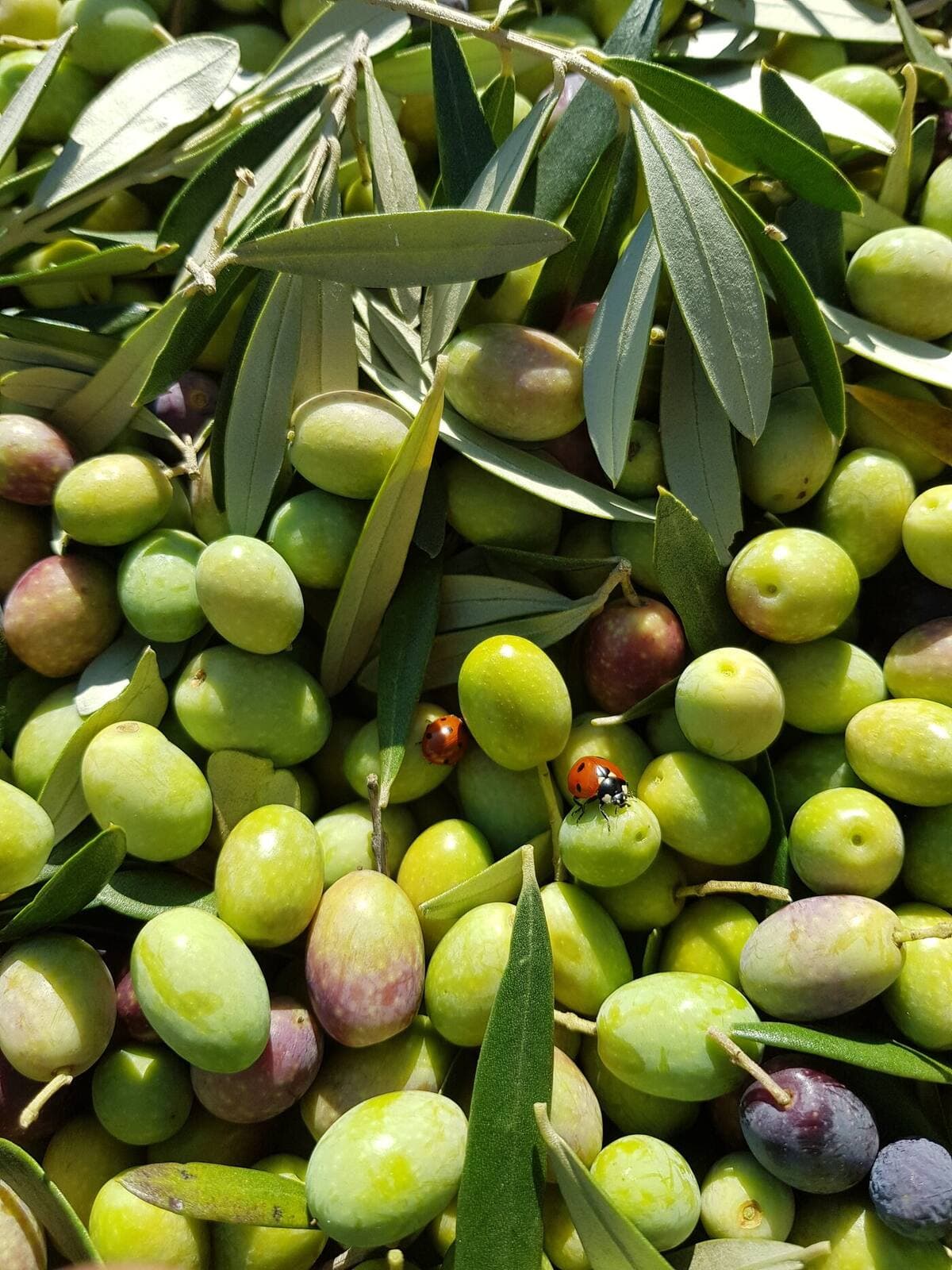
Polyphenols are plant compounds with strong antioxidant power, naturally present in olives. They partially transfer to the oil during cold mechanical extraction. They are mainly responsible for the health benefits of extra virgin oil.
The three main ones in EVOO:
- Oleocanthal: responsible for the throat pungency. Has natural anti-inflammatory effects similar to small doses of ibuprofen (Beauchamp et al., Nature 2005).
- Oleuropein: responsible for bitterness. Strong antioxidant, cardiovascular protector.
- Hydroxytyrosol, tyrosol: among the most powerful known plant antioxidants.
What EFSA says
The European Food Safety Authority, in EU Regulation 432/2012, approved this claim for olive oils:
Olive oil polyphenols contribute to the protection of blood lipids from oxidative stress.
To use this claim on labels, an oil must contain at least 5 mg of hydroxytyrosol and derivatives per 20 g of oil (i.e. 250 mg/kg). A level only quality, fresh extra virgin oils reach.
How much polyphenols does an EVOO have?
Typical values:
- Industrial "olive oil": 0-50 mg/kg (refining destroys most polyphenols)
- Basic commercial EVOO: 100-200 mg/kg
- Quality artisan EVOO: 200-400 mg/kg
- High-phenolic monovarietals (Ortice, Coratina, Picual): 400-800 mg/kg
Our oils, analysed every year, typically contain 350-500 mg/kg of total polyphenols.
What influences polyphenol content
- Cultivar: some varieties are naturally richer (Ortice, Coratina, Frantoio, Picual)
- Maturity stage: early-harvested olives (green-veraison) have more polyphenols than late ones
- Water stress: trees that experienced a dry summer produce richer oils
- Altitude and climate: hills beat plains; high day-night swings beat constant temperatures
- Time from harvest to milling: every hour, some polyphenols degrade
- Extraction temperature: above 27°C the most delicate polyphenols are lost
How to spot a polyphenol-rich oil
Polyphenols are perceived as bitterness and pungency:
- The oil "pinches" the throat, gives a mild coughing reflex
- Perceptible, balanced bitter taste
- Green aroma: cut grass, olive leaf, almond
Polyphenols decrease over time: a fresh oil has more than a 12-month-old one. That's why fresh oils (within 12 months) have the most intense flavour.