

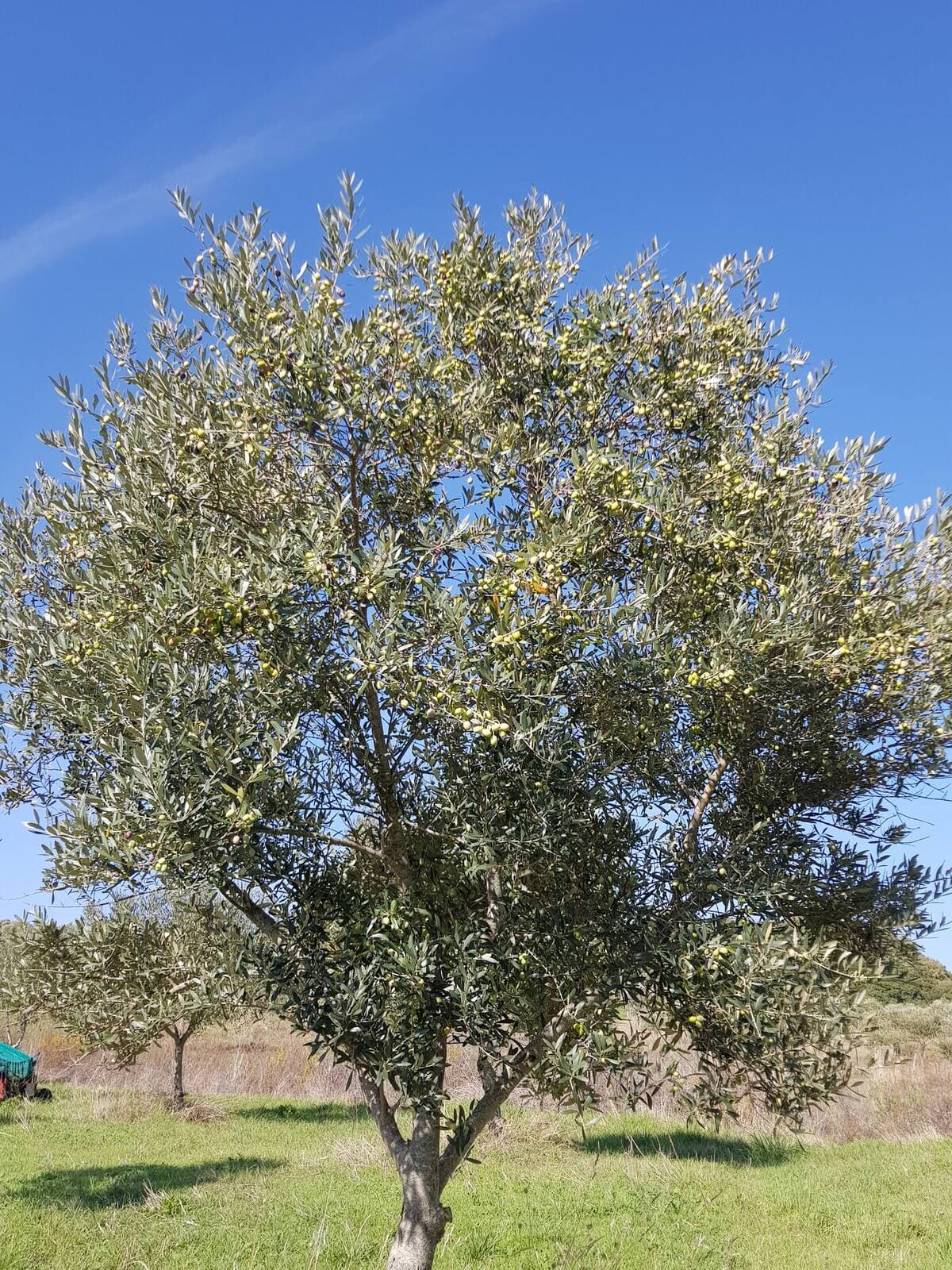
If you have never heard of Ortice, you are in good company: it is a cultivar grown almost exclusively in the Benevento area and for a long time it remained a local rarity. For a few years, chefs and enthusiasts have been rediscovering it. Here's why.
What is the Ortice cultivar
The Ortice is a variety of olive tree native to the Sannio area of Benevento. Vigorous plant, medium-sized drupe, late maturation. It is grown almost exclusively in the hills between Circello, Pesco Sannita, Pietraroja and the neighboring municipalities.
It is a hard cultivar, resistant to winter cold and summer drought — perfect for the Apennine microclimate. But it is also a demanding plant: it only gives its best in hilly limestone soils like ours.
The sensory profile: how to recognize an Ortice
A good single-varietal oil from Ortice can be recognized with your eyes closed:
- Color: bright green with golden reflections just bottled; it tends to yellow after a few months.
- Smell: intense fruity, freshly cut grass, olive leaf, bitter almond, hints of artichoke.
- Taste: full and structured in the mouth. Pronounced bitterness at the beginning, strong tingle at the end — both are signs of health, indicating the presence of polyphenols with high antioxidant value.
- Persistence: long, herbaceous and toasted hazelnut aftertaste.
If you are looking for a "soft" and neutral oil, Ortice is not for you. If you are looking for an oil that feels, that gives personality to dishes, it is one of the best you can find.
How to use it in the kitchen
Ortice is at its best raw: cooking would disperse its most delicate aromas. Pairings that work:
- Bruschetta with fresh tomato and basil, freshly toasted homemade bread
- Legume soups: chickpeas, beans, lentils - the bitterness of the oil balances the sweetness of the legumes
- Grilled red meat: sliced steak, Florentine steak, roast lamb
- Bitter vegetables: chicory, escarole, broccoli, broccoli
- Mature cheeses: pecorino, caciocavallo, parmesan
Also try it on a fior di latte ice cream with ground pepper and a pinch of Maldon salt — a dessert that surprises and conquers.
Nutritional properties and health
The bitterness and sting of Ortice are not defects: they are indicators of nutritional quality. They indicate high concentration of:
- Polyphenols (oleocanthal, oleuropein): powerful antioxidants, reduce inflammation
- Oleic acid (omega-9): "good" fat, protects the cardiovascular system
- Tocopherols (vitamin E)
The EFSA (European Food Safety Authority), in EU Reg. 432/2012, recognized that olive oil polyphenols contribute to the protection of blood lipids from oxidative stress. To display this claim on the label, an oil must contain at least 5 mg of hydroxytyrosol and derivatives per 20 g (i.e. 250 mg/kg). A good Ortice well exceeds this threshold.
Difference with other monovarietals
To place Ortice in relation to other large Italian monovarietals:
- vs Coratina (Puglia): similar in intensity, but the Ortice has more herbaceous and almondy notes, the Coratina more spicy and peppery.
- vs Leccino (Tuscany/Campania): the Ortice is much more intense and bitter; the Leccino is softer and fruitier.
- vs Frantoio (Tuscany): similar profiles in harmony and elegance, but the Ortice has more "muscle" and a longer finish.
Frequently asked questions
What is the difference between Ortice oil and generic extra virgin olive oil?
Ortice is a monovarietal oil obtained 100% from Ortice cultivar olives. A "generic" extra virgin olive oil is usually a blend of different varieties. The monovarietal has a more defined and traceable aromatic profile.
How much does Ortice oil sting?
It tingles in a firm but pleasant way, like a light "cough" in the throat. It is a sign of freshness and polyphenol content. It tends to decrease over the months: a one-year-old Ortice is softer than a freshly bottled one.
Can I use Ortice oil for frying?
Technically yes — the smoke point of extra virgin olive oil is high. But it's a waste: more neutral oils are enough for frying. Ortice deserves to be used raw, where its aromas make the difference.
Where can I buy organic Ortice oil?
On our website you can buy organic Ortice directly from the manufacturer. We grow our olive trees in Circello (BN), we frank within a few hours of harvesting and we ship throughout Italy and the world.
How much does a good Ortice oil cost?
A quality single-varietal organic extra virgin Ortice oil can be found between 18 and 30 euros per litre. Everything underneath is hardly a 100% Ortice monovarietal, certified organic.