

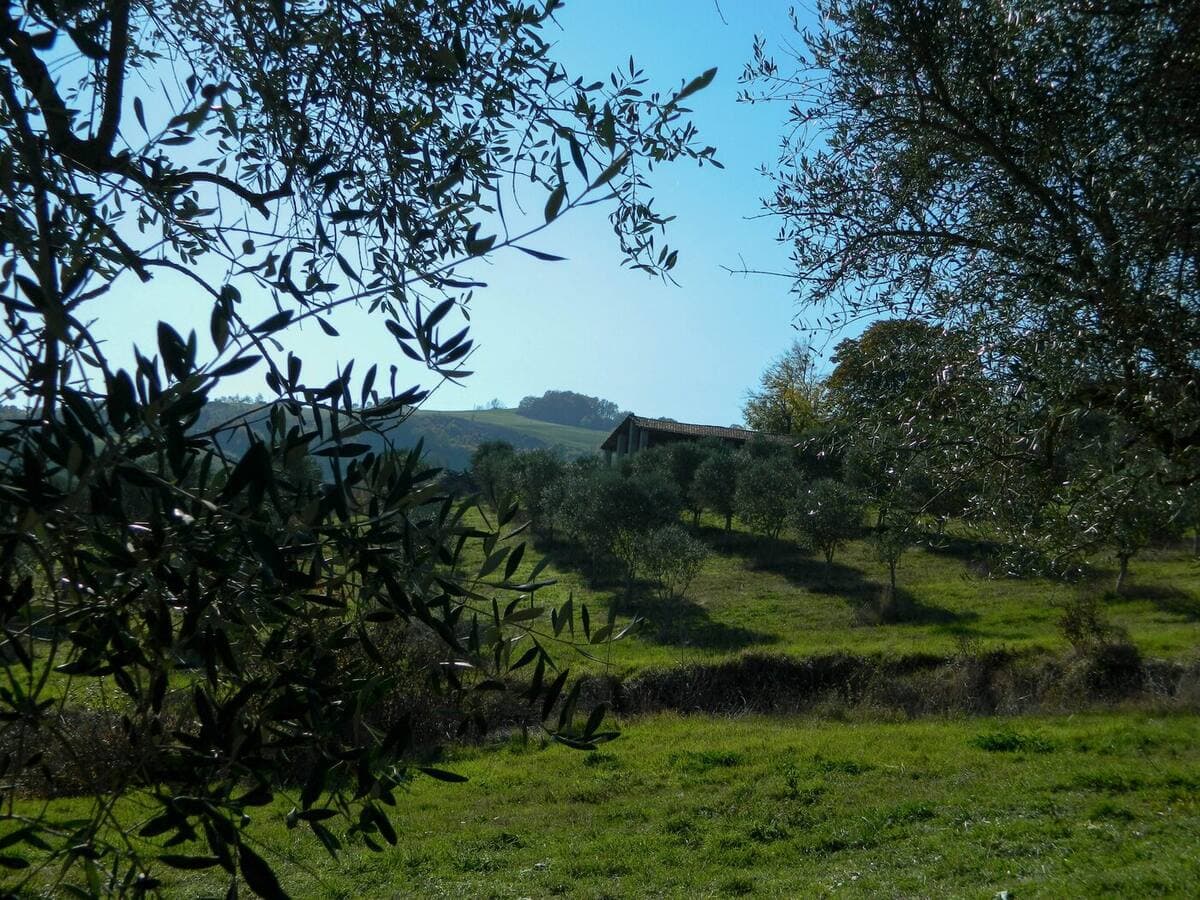
Leccino is the most common cultivar in Italy, but that doesn't make it ordinary. Grown in the hills of Sannio, it yields an oil with rare balance, perfectly suited for those who want a high-quality "everyday" extra virgin olive oil.
What is Leccino and why is it so widespread
Leccino is a Tuscan-origin cultivar that spread across Italy due to its adaptability: it thrives in both plains and hills, resists pests, and provides consistent yields. Compared to more demanding varieties like Ortice, it is a "user-friendly" plant.
But user-friendly doesn't mean mediocre: Leccino grown on calcareous hillside soils and harvested at the right maturity yields oil that many professionals choose as their daily-use base oil in their kitchens.
Sensory profile of our Leccino
Our monovarietal Leccino has distinct characteristics:
- Color: bright green with golden hues
- Scent: medium fruity, with hints of artichoke, green tomato, and olive leaf
- Taste: harmonious and balanced on the palate. Bitterness is present but measured, with a delicate yet lingering peppery note. Never aggressive.
- Aftertaste: medium, with a clean sweet almond finish
This oil is appreciated from the first tasting: no "punch in the face" like an Ortice might deliver, but an elegant progression of flavors.
How to use Leccino in the kitchen
Versatility is Leccino's strength. It works well:
- As a raw dressing for salads: its sweetness doesn't overwhelm delicate vegetables and fresh produce
- On grilled or baked fish: sea bream, sea bass, gilt-head bream
- With steamed vegetables, purees, and sauces
- With bresaola, raw ham, and delicate cured meats
- For sautéing and cooking bases: it withstands moderate heat without losing too many aromas
- With fresh tomato pasta: the classic Mediterranean pairing
It's also perfect for those new to monovarietal extra virgin olive oils: an Ortice might intimidate palates used to neutral oils, but Leccino is a gentle introduction.
Ortice or Leccino? How to choose
The most common question we get is: which one should I choose? Here's a simple guide:
- Choose Ortice if you love bold flavors, cook a lot of red meats, legumes, hearty soups, and want a "signature" oil for special dishes
- Choose Leccino if you cook lots of fish and vegetables, prefer light Mediterranean cuisine, want an elegant everyday oil, or have family members with delicate palates
Many of our customers—and ourselves—keep both in the kitchen: Leccino for daily use, Ortice for special moments and dishes that deserve it.
Frequently asked questions
Is Leccino "lighter" than Ortice?
Yes, it's more balanced and less aggressive. Its bitterness and peppery notes are present but measured. Perfect for those seeking quality oil with a harmonious, not extreme, profile.
How long does Leccino last once opened?
Once opened, a Leccino bottle retains its aromas and properties for 3–4 months if stored away from light, air, and heat. Seal it well and keep it in a cool place.
Is Sannio Leccino different from Tuscan Leccino?
Yes: same cultivar, but Sannio's microclimate (altitude, temperature fluctuations, calcareous soils) gives Leccino more herbaceous notes and a sturdier structure compared to Tuscan plain Leccino.